Loading...
First Round of Abstract Submission Ends: Dec 31, 2026
Extended Early Bird Ends: Dec 28, 2026

Keynote Speakers

Prof. Shing-Hwa Lu
Taipei Medical University, Taiwan
Title: Human Amniotic Fluid Stem Cells and Spheres-mediated Biomechanical Restoration of Urinary Continence in Rats 
Will update soon.
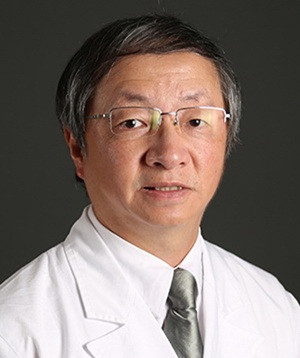
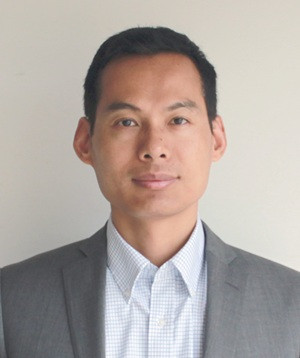
Prof. Jingwei Xie
UNMC, USA
Title: New Forms of Electrospun Nanofiber Materials for Biomedical Applications
Jingwei Xie received his B.S. (1999) and M.S. (2002) from Nanjing University of Technology, China, and his Ph.D. from the National University of Singapore (2007). He worked as a postdoctoral fellow in the Xia group at Washington University in St. Louis (2007‐2010). He is currently a Professor in the Department of Surgery-Transplant and Holland Regenerative Medicine Program at the University of Nebraska Medical Center (UNMC). He has won several prestigious awards including Most Promising New Invention Award at UNMC (2017), Maurer Scientific Achievement Award (2019), CAB Mid-Career Investigator Award (2020), and Distinguished Scientist Award at UNMC (2021). He was selected as AIMBE Fellow in 2024. His research interests include biomaterials, drug delivery, wound healing, hemostasis, and regenerative medicine.
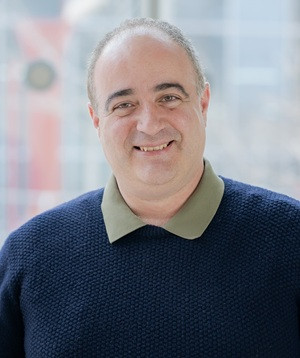
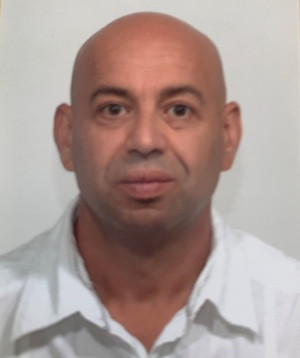
Prof. Udi Sarig
Ariel University, Israel
Title: Making Biology Engineerable: From Tissue-Specific Microenvironments to Experimental Human Models
Udi Sarig, PhD, is a Senior Lecturer at Ariel University and Head of the Laboratory for Advanced Tissue Technologies (LATi-Tech), with appointments in the Adelson School of Medicine and the Faculty of Engineering. Over the past two decades, his research has spanned tissue engineering, biomaterials, regenerative medicine, and biofabrication, with a growing emphasis on integrating developmental biology with engineered tissue systems. His current work focuses on tissue-specific extracellular matrices, 3D bioprinting, microphysiological tissue models, and biomaterial- and cell-based platforms for studying development, disease, and therapeutic response in experimentally accessible human tissue models.
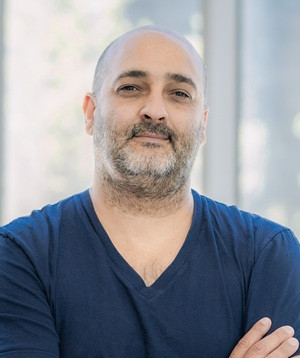
Prof. Aharon Azagury
Ariel University, Israel
Title: Biomedical applications of Algae
Dr. Aharon (Roni) Azagury is an Assistant Professor in the Department of Chemical Engineering and Biotechnology at Ariel University, Israel. His research focuses on advanced and biomimetic drug-delivery systems, bioadhesion, nanoparticles, and mass transport across biological barriers. He completed his Ph.D. in Chemical Engineering at Ben-Gurion University and subsequently conducted postdoctoral research at Brown University. His work combines fundamental engineering principles with translational biomedical research, with particular emphasis on overcoming biological barriers to improve noninvasive and oral drug delivery. Dr. Azagury has published in leading journals in drug delivery, biomaterials, and nanotechnology, and is an inventor on multiple patents related to oral and noninvasive therapeutic delivery technologies. He serves on the Editorial Board of Small Science and has been invited to present his research at international scientific conferences and academic institutions. His current research explores bioadhesive and algae-derived nanotechnologies as innovative platforms for drug delivery and therapeutic applications.
Prof. Moutih Rafei
University of Montreal, Canada
Title: Hpv16 E5-Engineered Mesenchymal Stromal Cells Reveal A Shared Tumor-Associated Immunopeptidome With Therapeutic Vaccine Potential
Expert in cellular and molecular immunology with major focus on cell-based therapies and therapeutics. Innovative scientist who can continuously propose and implement new research projects and foster external collaborations based on emerging human disease understanding. Ability to work comfortably under pressure while maintaining high energy level in a field that emphasizes speed, organizational skills, decisiveness, and effective interpersonal communications. Expertise in training laboratory personnel with consistent track record of surpassing standards and goals. Research Interests: - Cytokines engineering and biology - Autoimmune diseases and oncology - Cell therapy and immuno-therapeutics - Discovery of novel compounds for stimulating thymopoiesis - Ex vivo expansion of hematopoietic stem cells.
Dr. Zulqurnain Sabir
Istanbul Beykent University, Turkey
Title: Engineering Small-Diameter Vascular Grafts with Physiological Vessel Wall Layers
Zulqurnain Sabir is an Assistant Professor of Mathematics in the Department of Mathematics, Faculty of Arts and Sciences at Istanbul Beykent University, Istanbul, Turkey, since 2026. Previously, he has been working as an assistant professor in the Lebanese American University, Beirut, Lebanon (2023-2026) and served as a Senior Researcher at United Arab Emirates University, UAE (2022-2023). He holds a Master's and MPhil in Mathematics from the University of Punjab and Preston University, Pakistan, respectively, and a PhD in Mathematics from Hazara University, Pakistan. He has also completed postdoctoral diplomas from United Arab Emirates University, UAE, and Harran University, Turkey. With over 300 research papers published in international WoS journals, his cumulative impact factor is over 1000, with an h-index of 63 and an i10-index of 214 (Google Scholar). He has supervised PhD, master's, and undergraduate students, publishing research papers with them. His research focuses on artificial neural networks, deep neural networks, and solving complex mathematical models, including singular, functional, and biological models. He’s a pioneer in extending Lane-Emden and Emden-Fowler models up to 7th order, solving those using artificial neural networks, and has worked on pantograph, perturbed, and delay differential singular models, as well as fractional-order biological models, including coronavirus and cancer models. He’s been recognized as one of the top 2% scientists globally by Stanford University for 2022, 2023, 2024, and 2025.
Prof. Dipanjan Pan
The Pennsylvania State University, USA
Title: Emerging Spectral Photon Counting CT and K-Edge Imaging: From Anatomical to Molecular Detection
Awards & Honors: Elected Fellow, The National Academy of Innovators (NAI), The American Institute for Medical and Biological Engineering (AIMBE), Royal Society of Biology (FRSB), Royal Society of Medicine (FRSM), Fellow of Global Academy of Nanotechnology (FGAN), Chartered Member, INN Study Section (NIH) (2025), Distinguished International Associate, Royal Academy of Engineering (UK), COVID19 Healthcare Hero, Daily Record, Maryland (2022); Maryland Industrial Partnerships (MIPS) Award (2021); Elected Fellow, International Association of Advanced Materials (2021); Associate Editor, WIREs Nanomedicine and Nanobiotechnology (Wiley) (2019-2025); Dean’s Award for Excellence in Research (Associate Professor), UIUC (2018); Elected Fellow, American College of Cardiology (FACC) (2017); Young Innovator Award CMBE, Biomedical Research Society (2017); Teachers ranked as excellent, College of Engineering, UIUC (2016, 2017); Nano-Micro Letters Researcher Award (2016); Elected Fellow, American Heart Association (FAHA) (2016); Associate Editor, Scientific Reports (Nature Publishing Group) (2016-2019); Engineering Council Outstanding Advisor Award, UIUC (2015); Translational Research Award, Michael Reese Foundation (2015); Editorial Advisory Board, Molecular Pharmaceutics (ACS) (2014-2019); Elected Fellow, Royal Society of Chemistry (UK) (2014); Management Award: GE Global Research, (2006)

Prof. Pan is an internationally renowned expert in nanomedicine. He is presently a Dorothy Foehr Huck & J. Lloyd Huck Chair Professor in Nanomedicine, and tenured Full Professor in the Pennsylvania State University. His research is highly collaborative and interdisciplinary, centering around the development of novel materials for biomedical applications, molecular imaging, controlled drug delivery, and biosensing approaches. Over the years, this research has resulted in >200 high impact peer reviewed publications in scientific journals, many patents, and several technology licensing. Prof. Pan is currently funded by five NIH awards, NSF, CDC, DoD/CDMRP, DARPA and 2 ARPA-H along with industry funding. He is the founder/co-founder of five University based early start-ups, including Vitruvian Bio, dedicated to developing HIV-1 diagnostics; InnSight Technologies dedicated for ocular diseases and KaloCyte, Inc, to develop artificial oxygen career for human trauma. Prof. Pan is an Associate Editor for ACS Nano Medicine.
Prof. Felice Festa
University “G. D’Annunzio” of ChietiPescara, Italy
Title: To be confirmed.
Prof. Felice Festa, Chieti –Pescara “G. d’Annunzio” University, Full Professor in Orthodontics and Gnathology, 2013 SIDO President, , Director Specialty School in Orthodontics, Honorary Professor Moscow State Univerity from 2016. Prof. Festa is Past Co-Editor of Progress in Orthodontics(PIO) and European Journal of Clinical Orthodontics (EJCO). Prof. Festa research and clinical areas: TMJ Diagnosis and Treatment, Applications of Genomic Anthropology in Orthodontics, Self-ligating low friction appliances, 3D CBCT Volumetric Analysis, 3D Volumetric Analysis in Reinassance Art, Functional Magnetic Resonance Connectivity in Patients With Temporomadibular Joint Disorders, Passive Aligners in TMD, Active Aligners in Orthodontics. Prof. Festa has written 130 articles on International Journals and 5 monographies.
Prof. Rabah Boukherroub
University of Lille, France
Title: Micro- and Nanotechnological Advances in Diabetes Management
Dr. Rabah Boukherroub received a PhD in chemistry from the University Paul Sabatier in Toulouse, France. He is currently a CNRS research director at the Institute of Electronics, Microelectronics and Nanotechnology (IEMN), CNRS & University of Lille, France. His research interests are in the area of functional materials, surface chemistry, and photophysics of semiconductor/metal nanostructures with emphasis on photocatalysis, electrocatalysis and nanomedicine. He has published many research publications, wrote 45 book chapters and co-editor of 10 books in subjects related to nanotechnology, materials chemistry, and biosensors. He has 15 patents or patents pending